

In the digital era, your brand’s online image can make or break its success. That means online reputation management for businesses has never been more critical.
Whether you’re looking to improve your brand’s reputation or hang on to the stellar rep you already have, this blog will give you the tips and tricks you need to get the job done.
Let’s get right into it!
What is online reputation management?
Online reputation management involves monitoring, influencing, and maintaining the digital perception of your brand. Essentially, it’s about shaping the online narrative to ensure it reflects your brand in the best possible light.
At its core, online reputation management is about proactive and reactive strategies.
Proactively, it involves creating and sharing positive content, engaging with your audience, and using SEO to ensure favorable information ranks higher in search results.
Reactively, it’s about addressing negative feedback swiftly and effectively to mitigate potential damage.
This holistic approach helps maintain trust and credibility, which are crucial for any brand’s success in the digital age.
Why is online reputation management important?
Online reputation management is important because it directly impacts how potential customers perceive your brand.
The vast majority of people research a brand online before making purchasing decisions. Why? They want to buy from a brand they can trust. Having a positive online reputation is critical to establishing that trust and pulling prospects through the marketing funnel.
But it’s not just about attracting new customers. It’s about positioning yourself to partners, too.
Let’s say, for example, your brand wants to leverage creator marketing. That means you need to find trustworthy creators to represent your brand.
However, these creators aren’t going to partner with just anyone. They have a reputation to uphold, after all.
The creators you want to work with (i.e., the ones who have established trust and credibility with their audiences) are looking for the same thing from their brand partners. And that’s what makes online brand reputation management so critical.
Tips and best practices for online reputation management
1. Monitor your online presence.
Consistently check platforms and communities where your target audience is most active. You might also consider investing in social listening tools to keep up with the conversations about your brand online. This will help you stay informed and respond quickly to any potential issues.
Nike is one brand whose success in this area has been well-documented. With tools to help monitor conversations and brand mentions across social media, the company can proactively address customers’ small problems before they become big problems.
2. Engage with your audience.
Respond promptly and professionally to both positive and negative feedback. Show appreciation for positive comments and address negative reviews or complaints with empathy and solutions.
Wendy’s is probably the most well-known brand for interacting with customers online in a fun and engaging way. They’ve built a loyal and engaged following by responding to customer queries and feedback with humor and professionalism.
I knew I wasn’t sitting on it
— Wendy’s (@Wendys) July 1, 2024
3. Encourage positive reviews.
Ask satisfied customers to leave positive reviews on platforms like Google, Yelp, and industry-specific sites. Make it easy for them by providing direct links to your review pages.
For example, Timberland encourages customers to leave reviews directly on their product pages and through dedicated feedback sections on their website. This approach allows them to track product performance and respond to customer insights effectively.
4. Optimize your content for SEO.
Ensure that positive content about your brand ranks high in search engine results. Regularly update your website, blog, and social media profiles with relevant, high-quality content.
5. Address negative sentiment.
Mistakes happen. Whether there’s a shipping issue or people just aren’t happy with one of your latest product releases, it’s important to address the criticism head on. Apologize if necessary, provide a solution, and explain what steps you are taking to prevent similar issues in the future.
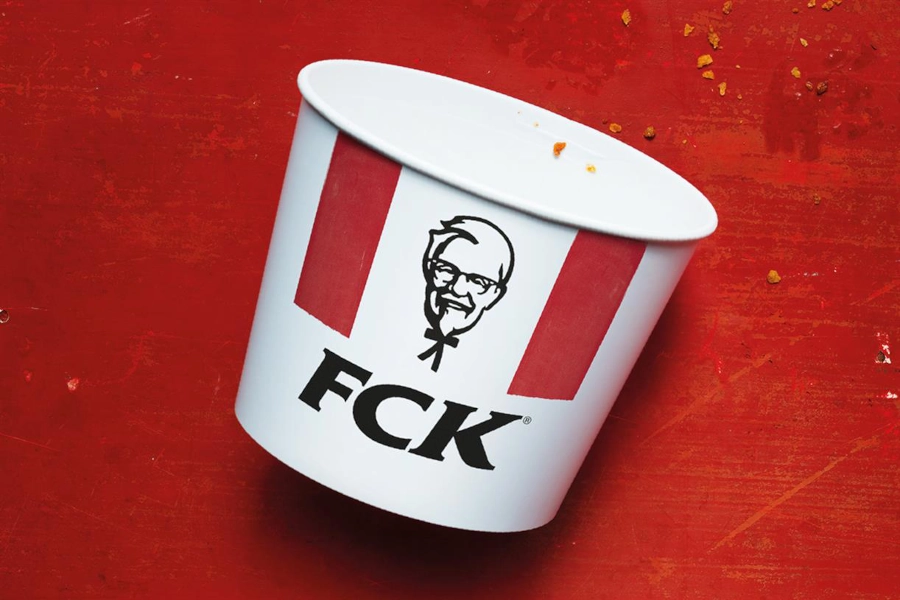
Several years ago, KFC UK completely ran out of chicken due to supply chain issues. Rather than coming up with some lame response like “We had supply chain issues,” they straight up owned the mistake in a legendary campaign that got everyone to forget about the #ChickenCrisis for a while.
6. Create high-quality content.
Publish regular blog posts, videos, and social media updates that highlight your brand’s strengths, achievements, and positive customer stories. High-quality content can push down negative search results over time and consistently pull in new fans.
Red Bull creates engaging and visually stunning content around extreme sports and adventurous activities. Their content not only aligns with their brand image but also ranks high in search results. Obviously, most brands don’t have a budget like they do, but it’s a good reminder of what top-notch content can do for your brand.
7. Be transparent.
Transparency builds trust. Be open about your business practices, and communicate clearly with your audience about any issues or changes that may affect them.
Some brands like Everlane, Patagonia, Buffer, and others have adopted a philosophy known as radical transparency. Essentially, this is the practice of openly sharing comprehensive and detailed information about an organization’s operations, financials, decision-making processes, and other internal matters that would traditionally only be known to internal stakeholders.
8. Regularly audit your online presence.
Conduct regular audits of your website, social media profiles, and other online properties to ensure they are up-to-date, accurate, and reflective of your brand’s current status and values.
This process might involve reviewing content for relevance and correctness, checking for broken links, and ensuring consistent branding across all platforms. Regular audits help identify areas for improvement and maintain a cohesive online presence that accurately reflects your brand’s identity and goals.
9. Educate your team.
Ensure that everyone in your organization understands the importance of online reputation management. Provide training on best practices for customer interaction and online engagement.
Be comprehensive with this training. It should cover how to respond to reviews, handle customer complaints effectively, and maintain a positive and consistent brand voice across all digital platforms. By equipping your team with these skills, you can ensure that every interaction reflects your brand’s values and enhances your online reputation.

Creator Marketing’s Role in Online Reputation Management
While the strategies above still have a place in your reputation management playbook, many of them lack the authentic, personal touch that today’s consumers expect.
Creator marketing activates real people who can vouch for your brand in a more relatable and impactful way. Rather than just managing reviews or issuing press releases, creator partnerships allow brands to embed themselves in organic conversations led by individuals who already have their audience’s trust.
A glowing product review from a creator feels more like a recommendation from a friend than a brand trying to sell something. This kind of authentic engagement is more persuasive than traditional methods because it leverages the creator’s existing relationship with their audience to build trust and credibility for your brand.
The key difference: traditional online reputation management is about controlling the narrative. Creator marketing is about becoming part of the narrative — leveraging authentic voices to enhance your brand’s reputation in a way that feels genuine and resonates with today’s consumers.
But to make creator marketing work for reputation management at scale, you need the right infrastructure — a way to discover the right creators, manage relationships, track content, and measure the impact on brand perception over time.
Key Takeaway: Your Online Reputation Is Your Brand’s First Impression
With the rapid evolution of digital landscapes, brands must prioritize online reputation management more than ever. Consumers are more connected and informed than they’ve ever been, making it essential for brands to maintain a positive online presence.
Effective reputation management builds trust and loyalty while differentiating your brand in a competitive market. And the most powerful lever you have? The authentic voices of creators who already connect with your target audience.
Build a Reputation That Scales with Creator Marketing
The brands with the strongest online reputations aren’t just managing reviews — they’re building networks of trusted creators who advocate for them authentically across social media, blogs, and video platforms.
GRIN helps marketing teams manage every stage of creator partnerships — from discovering creators who align with your brand values, to tracking the content they produce and measuring its impact on brand perception and revenue.
When your reputation is built on real creator relationships instead of damage control, it compounds over time.
Start Free with GRIN